
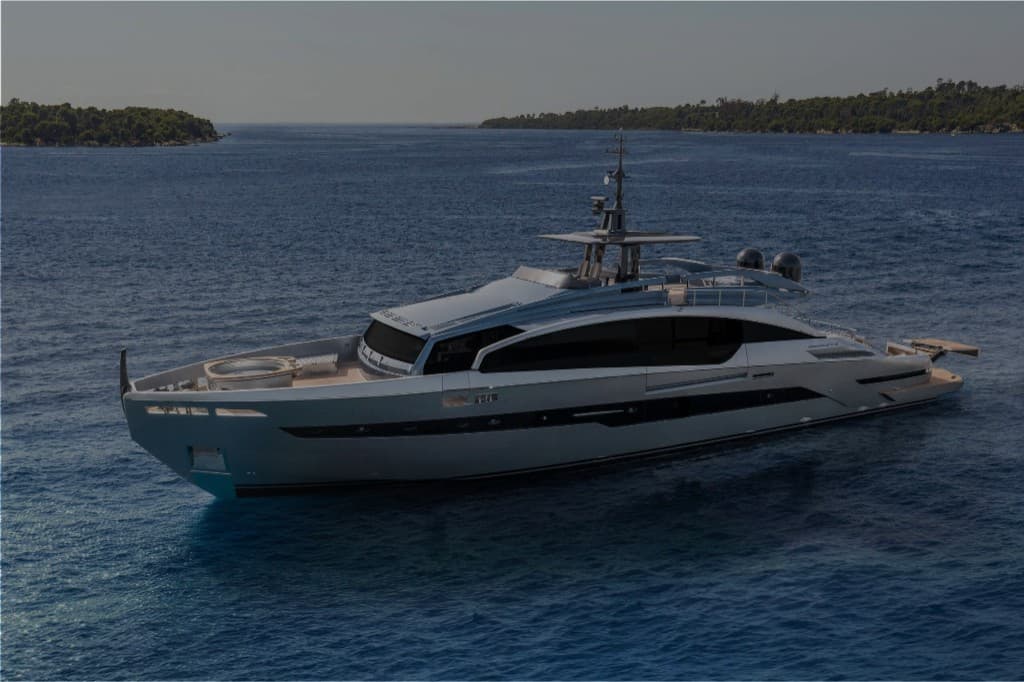
Marine Finance
Finance for boats, jet skis, tinnies and marine craft across Australia, new or used, dealer or private sale. Conditional approval in 24 to 48 hours. Most of our marine deals are private purchases, and we handle that end of it for you.
Marine Finance That Works For You
Boats, jet skis, and marine craft. We make it easy to get on the water with finance that moves as fast as you want to.
- Boats & jet skis
- New & used craft
- Competitive marine rates
- Dealer & private sale
How It Works
- 1
Apply Online
Quick 2-minute application with no lengthy paperwork to start.
- 2
Get Matched
We compare lenders to find the best rate and terms for you.
- 3
Settle Fast
Fast settlement so you can enjoy your asset sooner.
What we finance
Jet skis & PWC
New and used.
Runabouts & bowriders
Plus cuddy cabins.
Tinnies & side consoles
Including the trailer.
Offshore & half cabins
Serious hulls, serious terms.
Yachts & cruisers
Larger amounts, longer terms.
Trailers & outboards
Often bundled with the boat.
Private sales are the norm here, and they're fine
Most decent second-hand boats and skis sell privately, not through dealers. That puts people off because they assume finance won't cover it. It does.
What we handle: paying the seller directly, checking whether there's money still owing on the craft, confirming the HIN matches, and sorting the payout if there is one. What you handle: picking the boat.
The one thing worth doing yourself is a proper inspection before you commit. A marine survey on anything substantial is money well spent — we can finance the purchase, we can't tell you whether the hull's sound.
The seasonal thing nobody mentions
Boat and ski prices move with the calendar. Late autumn and winter is when private sellers get realistic, because they're staring down a summer of storage fees on something they're not using. Spring is when everyone wants one and prices firm up.
If you're buying in the off-season, finance approval sitting ready is a genuine advantage — private sellers take a buyer who can move that day far more seriously than one who says they'll “look into finance”.
Approval typically holds for a period once issued, so getting it done before you start looking is worth it.
From listing to launch: the whole sequence
The private-sale checks you've read about above slot into a longer sequence. Here it is end to end.
On timing: the finance side runs in days, not weeks. Conditional approval typically lands inside 24 to 48 hours, and settlement follows quickly once you've locked the craft in. The slow parts of a boat purchase are usually the survey booking and the seller's schedule — so start those early and let the money run alongside.
- Approval first. Send us your budget, we price it across the panel — starting with a credit check that won't affect your credit score.
- Find the craft and send the listing. We start the ownership and money-owing checks straight away.
- Get it checked mechanically. A compression test on an outboard is cheap and tells you plenty. A sea trial if the seller will do one — most genuine sellers will.
- On anything substantial, book the survey before you commit, not after.
- Sign the documents electronically. We pay the seller and clear any payout.
- Transfer the rego — and remember the boat and the trailer are separate registrations in most states. Both need doing.
- Insurance active before the hull touches water. On a secured loan, lenders generally require comprehensive cover from settlement anyway.
Hours, not years: how to read a used boat or ski
Engine hours are the odometer of the marine world, but they read differently. A ten-year-old outboard with 400 logged hours and a stamped service book is a better proposition than a five-year-old one with 80 hours and no record of a service — engines that sit unserviced deteriorate faster than engines that run.
The service rhythm to look for: outboards want a service every 12 months or 100 hours, whichever comes first. A seller who can show that history is telling you how the whole boat was treated. Ask whether it lived in salt or fresh water too — a freshwater life is an easier one.
One more check worth knowing about: modern outboards log their hours in the engine's computer, and a dealer can pull that report in minutes. If the hour meter on the dash says 150 and the seller gets cagey about an engine readout, that tells you something too.
Lenders read it the same way. Age, hours and condition together decide which of them will write the deal, which is why a well-kept older hull can be more financeable than a neglected newer one. Send us the listing and the service history and we'll tell you where it lands.
What the boat costs after the ramp
Two regos, not one
The boat and the trailer are registered separately in most states and renew separately. Budget both.
Storage
On a trailer in the driveway, free. Dry stack or a marina berth, and storage becomes the biggest annual cost of the whole boat. Know which life your boat will live before you buy it.
Servicing
The outboard every 12 months or 100 hours. Trailer wheel bearings every year without fail — salt water eats them, and a failed bearing on the highway is a much bigger bill.
Safety gear
Flares expire. EPIRB batteries have replacement dates. Inflatable lifejackets need periodic servicing. None of it is optional and all of it is on a calendar.
Insurance
While money's owing on a secured marine loan, lenders generally require the craft comprehensively insured. Premiums vary with where it's kept and how it's used, so quote the real scenario.
Fuel
Boats drink. Budget by the day out, not by the week, and you'll be closer to the truth.
Mistakes that sink boat purchases
Paying a deposit before the ownership check comes back
Money handed over before we've confirmed there's nothing owing on the craft is money at risk. The check takes a day. Wait for it.
Skipping the survey on a serious hull
On bigger money, a marine survey is the cheapest insurance you'll ever buy. Soft transoms and moisture in the hull don't show up in photos.
Forgetting the trailer
Plenty of good boats sit on shot trailers. Rust in the frame, dead bearings, expired rego — check the trailer as carefully as the boat, because it's part of what you're financing.
A repower with no paperwork
A newer engine on an older hull is common and often great. No receipts or history on that engine means questions at valuation time and at resale. Ask for the paperwork.
No water test
An engine that starts on the muffs in the driveway tells you almost nothing about how it runs under load. Get it on the water before you commit.
Repowers, electronics and upgrades
A new outboard can cost half the value of the boat it hangs on — a repower is a genuinely big purchase, and it's financeable on a boat you already own. Same goes for a trailer replacement when the old one's rusted past saving.
Electronics have gone the same way: a serious sounder, GPS and radio package is real money now. Bought through a dealer with the boat, it can usually be bundled into the same facility rather than hitting the card.
The maths worth doing first: if the hull is sound and suits you, a repower often beats changing boats — you know the boat's history because you own it. If you're weighing that up, ring and we'll price both paths.
Structure-wise, a repower finances over a term matched to the engine's working life, not the hull's — an outboard serviced on schedule has a long one, and the finance should fit it rather than drag past it.
Jet skis, specifically
Skis are their own market. They sell almost entirely privately, they're registered like boats, and the hours logic above applies double — a ski that's towed skiers and biscuits every summer has worked harder than its years suggest.
On the money side, a near-new ski clears most lenders' minimum loan amounts comfortably. An older, cheaper ski might not — and if it falls under the line, we'll tell you straight and point you at the better route rather than force a bad fit.
Two admin items first-time ski buyers miss: most states want a personal watercraft endorsement on top of the standard boat licence before you can legally ride, and the ski and its trailer are registered separately, same as a boat. Sort the licence while the finance is running and nothing holds up the first weekend.
Ski-and-trailer packages finance as one deal, which is how most of them sell. Send the listing with the hours and the service history and we'll have an answer back quickly — conditional approval typically runs 24 to 48 hours.
What customers say
Scott was awesome to deal with. Once again helped me get a car 12 months ago, now helped me again to get a JetSki. He went above and beyond helping me outside of work hours to do the deal. Would highly recommend in a heartbeat.
Questions we get asked
Our lender panel
We compare a panel of more than 60 lenders, including the names below — banks, non-banks, car and asset specialists, and commercial lenders. One application goes across the panel instead of one bank.
See the lenders we compare




























Why Choose A Lend Finance?
Fast Approvals
Conditional approval within 24–48 hours in most cases.
Competitive Rates
We compare 60+ lenders and will beat your current offer.
No Hidden Fees
Transparent pricing with no surprises at settlement.
Real Human Support
Speak directly with brokers who know your situation.
Self-Employed Friendly
Low doc and alternative income options available.